
Why Does My Lower Back Hurt? Understanding the Causes and Triggers of Low Back Pain
If you are dealing with a dull, constant ache or a sudden sharp catch in your lower back, you are far from alone. Low back pain (LBP) is one of the most common musculoskeletal complaints worldwide, affecting up to 80% of adults at some point in their lives. Whether your pain makes it difficult to stand up straight after sitting, flares up during a workout, or disrupts your sleep, understanding what is happening in your lumbar spine is the first step toward lasting relief.
In this article, we will break down exactly what low back pain is, the most common anatomical structures involved, and why these issues develop in the first place.
What Exactly is Low Back Pain?
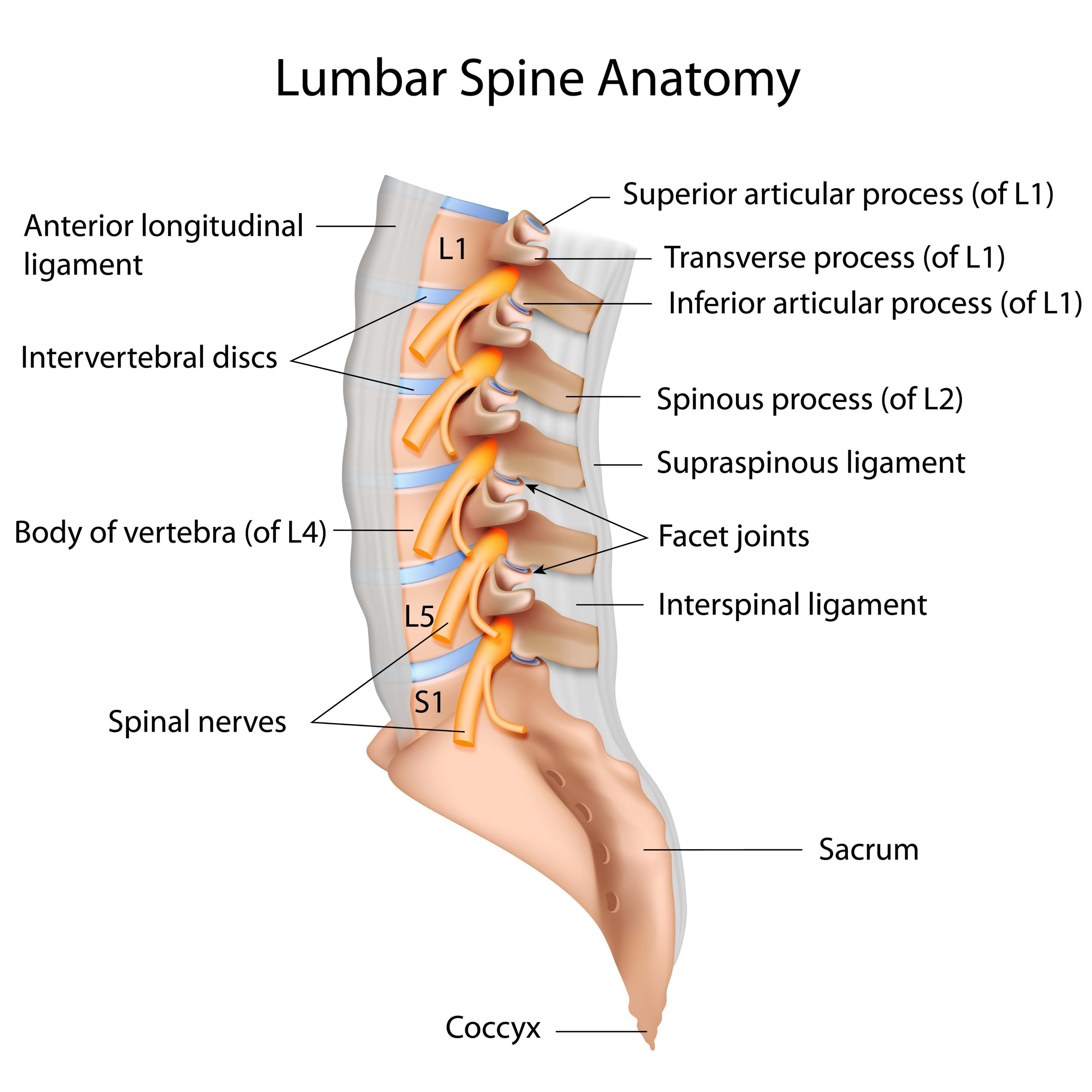
The lower back, or lumbar spine, is a complex engineering marvel. It consists of five vertebral bones (L1 through L5), cushioned by intervertebral discs, bound together by strong ligaments, and supported by a massive network of muscles.
Because this region bears the majority of your body weight and handles massive mechanical forces whenever you twist, bend, or lift, it is uniquely susceptible to structural stress. Low back pain occurs when pain-sensitive nerves in this network become compressed, irritated, or inflamed.
The Most Common Reasons Your Lower Back Hurts
When patients visit our clinic complaining of a "thrown-out back" or severe stiffness, the root cause typically falls into one of a few structural categories:
Lumbar Disc Herniations or Bulges: The discs between your vertebrae act as shock absorbers. Repetitive mechanical stress or sudden improper lifting can cause a disc to bulge or herniate, frequently compressing nearby nerve roots and causing radiating pain.
Mechanical Muscle Strains: Overusing the deep stabilizing muscles of the lower back, often due to sudden twists, poor posture, or lifting a heavy object incorrectly, can lead to microscopic tears in the muscle fibers, resulting in acute spasms and severe localized tightness.
Sacroiliac (SI) Joint Dysfunction: The SI joints connect your spine to your pelvis. If these joints become hypermobile (moving too much) or hypomobile (locked up), they can cause a sharp ache directly over the glute, which people often mistake for a hip injury.
Facet Joint Syndrome: The small joints connecting each vertebra can become inflamed or develop arthritic wear and tear over time, leading to deep localized pain, especially when bending backward or standing for long periods.
Clinical Resources & Further Reading
To learn more about the science behind spinal health and conservative management strategies for back pain, explore these trusted medical resources:
Why Low Back Pain Occurs: The Common Triggers
While an injury can sometimes happen in an instant, most low back pain is a gradual accumulation of minor mechanical stresses. The most common daily triggers include:
1. Poor Movement Biomechanics
Your body moves as a kinetic chain. If your hips lack mobility or your core lacks stability, your lumbar spine is forced to compensate by taking on extra weight and rotational force it isn't designed to handle. This is why many athletes experience lower back pain during squats, deadlifts, or directional changes on the field.
2. Prolonged Sitting and Ergonomic Stress
Sitting for hours at a desk forces the lumbar spine into a rounded position, which places sustained pressure on the anterior portion of your spinal discs. Over time, this stretches out the supporting ligaments and tightens the hip flexors, pulling your pelvis out of alignment and causing chronic tightness when you finally stand up.
3. Inadequate Functional Recovery
Muscles require rest, proper blood flow, and targeted rehabilitation to heal from daily wear and tear. When minor stiffness is ignored and masked with temporary fixes like over-the-counter medication, the body creates altered movement patterns to guard the painful area, ultimately leading to a more severe injury down the road.